 BUILDS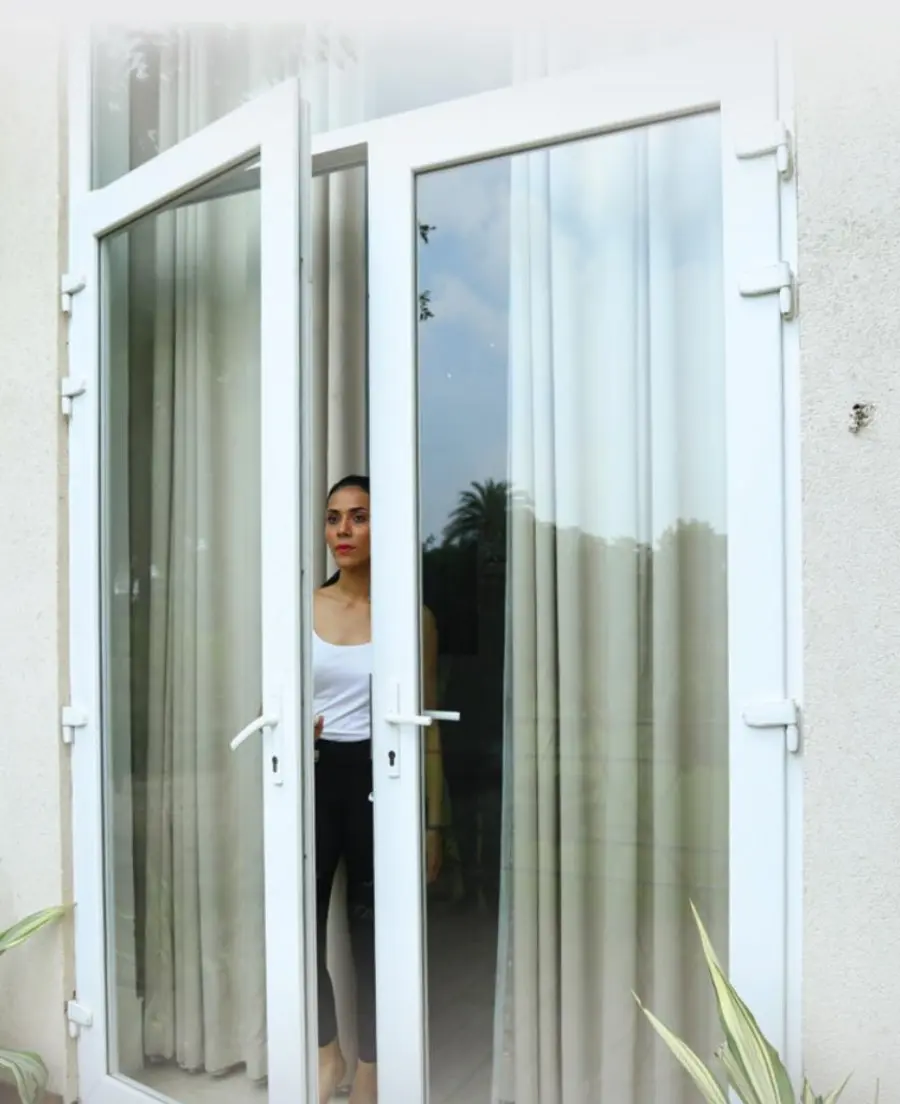
Choose uPVC when thermal insulation, low maintenance and strong weather sealing are central priorities. Choose system aluminium when slim sightlines, larger glazed panels and architectural flexibility lead the brief. For many projects, the best specification uses both materials in different openings.
Begin with the opening, not the material
A window specification should start with opening size, floor level, wind and rain exposure, orientation, desired ventilation, acoustic target, glass, hardware, safety and how the opening will be used. The frame material is one part of a complete tested system.
In Kolkata and eastern India, driving rain, humidity, dust, traffic noise and air-conditioning loads often matter at the same time. The correct answer may differ between a bedroom window, balcony slider, staircase glazing and commercial partition.
Where uPVC is compelling
Multi-chamber uPVC profiles provide natural thermal resistance and are well suited to sealed, comfort-led windows and doors. Properly designed casement systems can provide tight compression sealing, while sliding, lift-and-slide, bi-fold and slide-and-swing formats cover a wide range of residential openings.
Performance depends on the selected Deceuninck series, internal reinforcement, fabrication, drainage, gaskets, hardware, glass and installation. The system should be engineered opening by opening rather than priced only by square foot.
Where system aluminium is compelling
System aluminium supports slim visible frames, large glass areas and a broad range of architectural formats. Sliding, lift-and-slide, fold-and-slide, casement, tilt-and-turn and pivot systems can address openings where scale and minimal sightlines are important.
Thermal performance varies significantly between non-thermal and thermally broken systems. Aluminium should therefore be compared as a complete system, including profile depth, interlocks, gaskets, rollers, locks, glass and tested performance.
Compare the installed system
Ask both suppliers for the proposed series, maximum supported sash or panel size, reinforcement or profile configuration, glass make-up, hardware, mesh, drainage, finish, test data and installation method. Compare warranties on the relevant components rather than accepting one broad promise.
A visually slim product that is underspecified for wind or panel weight is not a fair comparison with a properly engineered system. Likewise, a strong frame cannot overcome unsuitable glass or weak installation anchors.
A practical mixed-material strategy
Bedrooms and living spaces may benefit from uPVC where sealing, thermal comfort and acoustic control lead the brief. Large balcony openings or premium architectural facades may favour system aluminium for slimmer sightlines and larger panels. Internal glass partitions can use slim aluminium because exterior weather sealing is not the governing requirement.
Using the right system for each opening can produce a better project than forcing one material across the entire building.
Discuss your requirement
Move from research to the right specification.
Share the application, quantity or opening details with the SSS Builds team for a product-specific discussion.
Explore Deceuninck uPVC SystemsFrequently asked questions
Direct answers
Is uPVC better than aluminium for sound reduction?
Sound reduction depends on the entire assembly—glass, gaps, gaskets, locking compression, frame design and installation. Material alone does not establish the acoustic result.
Which material needs less maintenance?
Both can be low maintenance when properly specified. uPVC does not require repainting; aluminium finishes are durable but hardware, tracks, drainage and gaskets in either system still need periodic cleaning and inspection.
Which is better for very large sliding doors?
System aluminium and purpose-designed uPVC lift-and-slide systems can both serve large openings. Panel size, glass weight, wind load and manufacturer limits should decide the system.
Can one project use both uPVC and aluminium?
Yes. A mixed specification is often sensible when different openings have different priorities.