 BUILDS
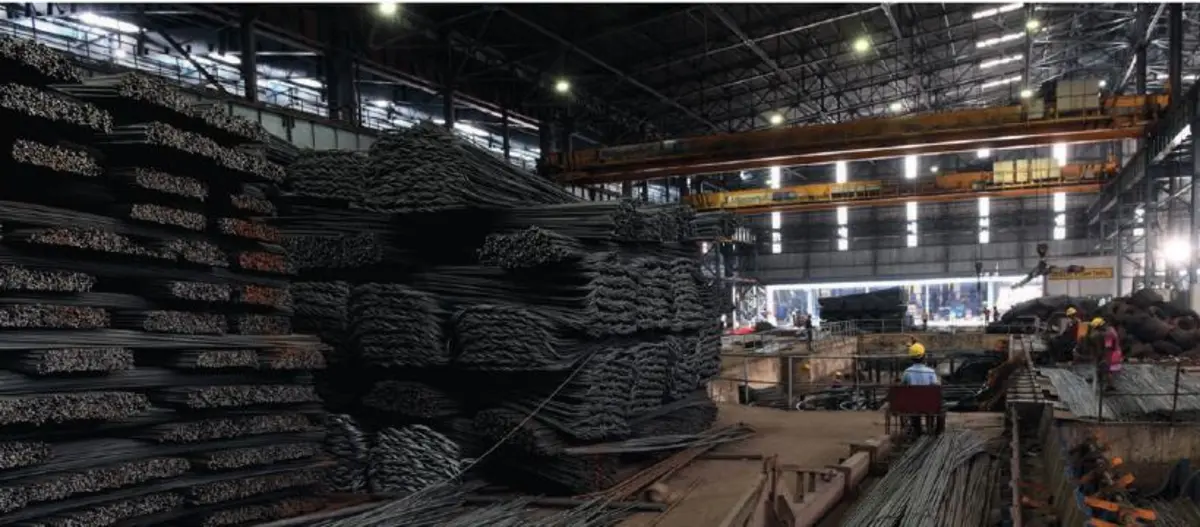
Light, firmly attached surface rust does not automatically make TMT bars unusable. Reinforcement must remain compliant and free from loose rust, loose mill scale and harmful contamination that can reduce bond with concrete. Segregate bars with flaking corrosion, deep pitting, damaged ribs or suspected section loss for the authorised engineer’s assessment. Cleaning cannot restore lost steel section; acceptance follows the project specification and inspection procedure.
Surface rust vs harmful corrosion: what to check
Bar colour is only a starting observation. Check whether corrosion products are loose and whether section, ribs, mass or identification may have been affected. This guide supports inspection; it is not a blanket acceptance rule.
| Observation | Initial action |
|---|---|
| Thin, attached surface discolouration | Inspect against the project requirements |
| Loose rust or loose mill scale | Clean by the approved method and reinspect |
| Mud, oil, paint or other harmful contamination | Remove under the approved procedure |
| Flaking, deep pits or reduced ribs | Segregate for technical assessment |
| Suspected section or mass loss | Measure or test under the quality plan |
| Unclear grade or lot identification | Hold until traceability is resolved |
What do Indian reinforcement specifications require?
CPWD specifications require reinforcement to be free from loose mill scale, dust, loose rust, paint, oil and other coatings that may harm bond. They also call for storage that limits distortion, deterioration and corrosion. The operative distinction is between superficial discolouration and material that is loose, contaminated or deteriorated.
IS 1786 addresses reinforcement conformity, including mass, dimensions, surface characteristics and mechanical properties. Follow the applicable standard, approved project specification and engineer’s instructions when deciding whether a delivery or stored bundle is acceptable. Photographs alone cannot establish bar strength or remaining effective section.
When should rusted reinforcement be held?
Segregate material showing flaky corrosion, deep pitting, visibly reduced ribs, suspected section loss or inconsistent identification. Prolonged contact with wet soil, saline water or contamination warrants closer review. Record which bundles and diameters are affected before they become mixed with accepted stock.
The engineer may require cleaning, dimensional checks, mass evaluation or testing. Rust that materially reduces the bar section or rib dimensions cannot be dismissed as harmless surface colour. Conversely, a brown surface alone is not sufficient evidence to reject all stock. Keep the decision tied to identifiable material and the applicable acceptance criteria.
How should rust on TMT bars be cleaned?
Use a method approved by the project engineer. Wire brushing may remove loose contamination in a limited area; mechanical cleaning may be appropriate for larger quantities under a controlled procedure. Inspect the exposed bar again after cleaning, including pits, ribs and any suspected section loss.
Do not use diesel, grease or oil to remove rust before reinforcement assembly. CPWD prohibits oily substances for this purpose, and residue can introduce a bond problem. Do not apply an unapproved acid, converter or coating. A treatment specified for repairing an existing concrete structure is not automatically suitable for new reinforcement awaiting concreting.
Inspect at delivery, fabrication and before concreting
At delivery, check manufacturer, grade, diameter, permanent markings, bundle tags, certificates, quantity and condition. Keep questionable material on hold. Before cutting and bending, check whether storage has caused contamination, corrosion, distortion or loss of identification.
Immediately before concreting, inspect fixed reinforcement under the approved checklist. Include cleanliness, bar position, spacing, laps, supports and cover arrangements. Material accepted at the gate can deteriorate later; a receiving certificate does not remove the need for a pre-pour inspection. Where a problem remains after cleaning, obtain a recorded decision before concrete hides the evidence.
Store TMT bars to reduce corrosion risk
Keep bundles on suitable firm supports clear of soil, standing water and debris. Provide drainage around the stock area and prevent distortion. Separate by grade, diameter and delivery or lot, preserving bundle tags and certificate references. Inspect after heavy rain and prolonged storage.
A cover is useful only when arranged to avoid persistent trapped moisture and allow inspection. Do not let a waterproof sheet conceal bundles lying in water. Plan delivery quantities around storage capacity and the fabrication programme so reinforcement does not remain unnecessarily exposed. These precautions are especially useful during Kolkata and eastern India’s wet season.
Keep a clear inspection and supplier record
Record the purchase order, challan, manufacturer, grade, size, heat or lot, bundle location and affected quantity. Include photographs before and after cleaning, exposure history, any measurements or test references and the engineer’s written disposition. Maintain segregation until the hold is closed.
For fresh project supply, send SSS Builds the approved TMT grade, diameter-wise requirement, delivery location, schedule and inspection requirements. We can coordinate a Rungta Steel enquiry against the specification and agreed documentation. State storage and unloading arrangements before dispatch so site readiness, supply planning and receiving checks are aligned.
Technical references
Discuss your requirement
Move from research to the right specification.
Share the application, quantity or opening details with the SSS Builds team for a product-specific discussion.
Explore Rungta Steel TMT BarsFrequently asked questions
Direct answers
Can lightly rusted TMT bars be used in concrete?
Potentially, if they remain compliant and free of loose rust and harmful contamination. Inspect the ribs and section, clean as approved and follow the project’s recorded acceptance procedure.
Does rust improve the steel-to-concrete bond?
Do not encourage rust as a construction practice. Limited attached surface rust may not require rejection, but loose scale, contamination and section loss remain concerns requiring inspection.
Can diesel or oil clean rusty reinforcement?
No. Oily rust-removal substances are prohibited by the cited CPWD reinforcement provisions. Use the engineer-approved cleaning procedure.
Should pitted reinforcement be rejected immediately?
Segregate and hold it immediately. The authorised engineer should determine the disposition using condition assessment, measurements and testing where required; do not use it on appearance alone.