 BUILDS
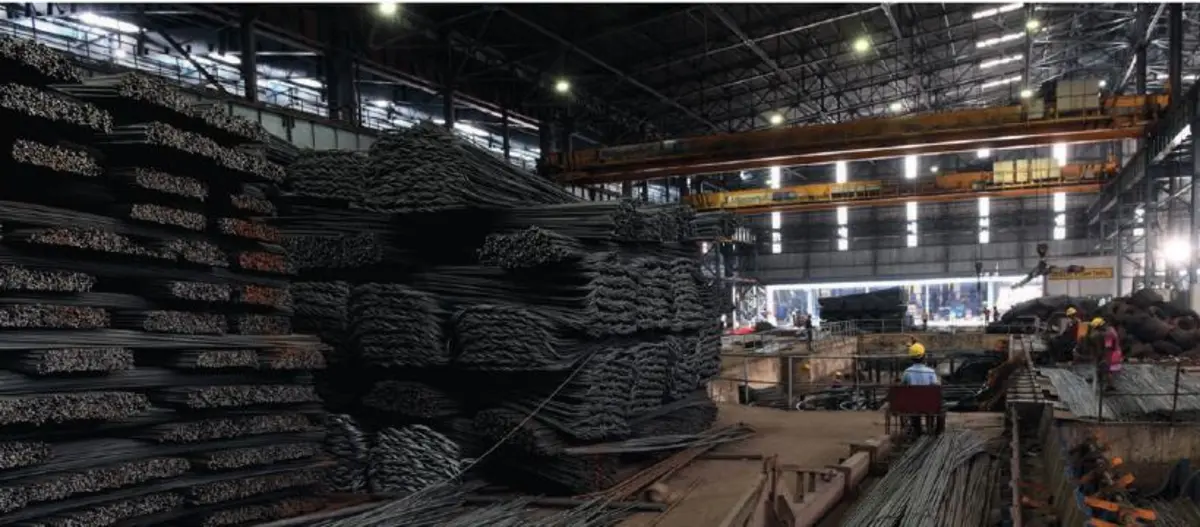
Approximate TMT bar weight in kilograms per metre = D² ÷ 162, where D is the nominal diameter in millimetres. A 12 mm bar is approximately 0.889 kg per metre, or 10.67 kg for a 12 m length. Use the formula for estimating and ordering. Final acceptance and billing follow the purchase terms, actual lengths, weighment records and applicable mass tolerances.
TMT bar weight chart: 8 mm to 40 mm
The chart uses D²/162 throughout. Each value is rounded independently from the unrounded calculation. These convenient theoretical estimates may differ slightly from nominal weights in a manufacturer’s published table; do not mix the two bases when reconciling an order.
The listed diameters correspond to sizes presented by Rungta Steel. Availability of a particular grade, diameter and dispatch quantity must be confirmed. A 12 m length is an example, not a promise that every supplied straight bar has that exact length.
| Nominal diameter | kg per metre | kg per 12 m bar |
|---|---|---|
| 8 mm | 0.395 | 4.74 |
| 10 mm | 0.617 | 7.41 |
| 12 mm | 0.889 | 10.67 |
| 16 mm | 1.580 | 18.96 |
| 20 mm | 2.469 | 29.63 |
| 25 mm | 3.858 | 46.30 |
| 28 mm | 4.840 | 58.07 |
| 32 mm | 6.321 | 75.85 |
| 36 mm | 8.000 | 96.00 |
| 40 mm | 9.877 | 118.52 |
How to calculate TMT bar weight
Square the nominal diameter, divide by 162 and multiply by the actual or specified length. For multiple pieces, multiply again by the number of bars.
Total theoretical weight in kg = D² ÷ 162 × length in metres × number of bars.
For 100 bars of 12 mm diameter and 12 m length: 144 ÷ 162 × 12 × 100 = 1,066.67 kg, or approximately 1.067 MT. Keep full precision until the final result rather than multiplying a rounded unit weight. One metric tonne equals 1,000 kg.
Why the D²/162 formula is approximate
The calculation represents the nominal circular area multiplied by an assumed steel density of about 7,850 kg/m³, with units converted from millimetres to metres. The convenient divisor 162 is rounded. A deformed bar is specified by nominal diameter and its conformity requirements; measuring the outermost rib with a caliper is not the same as determining its nominal section.
Use the manufacturer’s declared nominal-weight table when the contract requires that basis. Actual mass and permitted variation must be assessed under the applicable specification and inspection procedure. The formula alone cannot confirm steel grade, chemical composition, ductility or strength.
Use theoretical weight to plan a diameter-wise order
A bar-weight chart helps turn a reinforcement schedule into an estimated delivery quantity. Prepare a separate line for each diameter, required length, piece count and grade. Add the line weights to estimate tonnage and check dispatch planning with the supplier.
If delivery weighment differs from the estimate, first reconcile bar lengths, counts, bundle details and the agreed commercial basis. A planning difference is a reason to investigate, not automatic evidence that the reinforcement is defective or the weighbridge is wrong.
Use the approved bar-bending schedule for building quantities
The formula weighs a known length; it does not design reinforcement. Required steel quantity comes from approved structural drawings and the bar-bending schedule. Bends, hooks, anchorage, laps, member counts and cutting arrangements affect the required lengths and procurement plan.
Do not assume that all pieces equal a standard stock length. Also do not substitute diameters or change Fe500D to Fe550D merely because the calculated tonnage looks similar. Grade and detailing changes require the structural consultant’s decision.
Request a Rungta TMT quotation from SSS Builds
Share the approved grade, diameter-wise tonnage or piece schedule, straight-length or bend requirement, specified lengths, project destination, delivery programme and approved make list. Include documentation, weighment and unloading requirements before dispatch.
Rungta Steel lists Fe500, Fe500D, Fe550 and Fe550D reinforcement in diameters from 8 mm to 40 mm. SSS Builds can review your enquiry against the required size mix and supply destination. Confirm current availability, dispatch point, freight, taxes and billing basis in the written quotation. A complete enquiry helps the supplier plan a practical delivery and gives the receiving team a clear comparison at site.
Technical references
Discuss your requirement
Move from research to the right specification.
Share the application, quantity or opening details with the SSS Builds team for a product-specific discussion.
Explore Rungta Steel TMT BarsFrequently asked questions
Direct answers
What is the weight of a 12 mm TMT bar?
Using D²/162, a 12 mm bar weighs approximately 0.889 kg per metre and 10.67 kg per 12 m length. Actual supplied weight and acceptance depend on the applicable specification and agreed basis.
What is the formula for TMT bar weight?
Approximate weight in kg per metre = D²/162, with nominal diameter D in millimetres. Multiply by length in metres and bar count for total theoretical weight.
Is D²/162 the final billing weight?
No. It is an estimate. The purchase order may specify actual weighment or another agreed basis, supported by delivery documents and applicable tolerances.
Can this chart calculate steel required for a building?
Only after the required diameters, lengths and quantities are known. Use the approved structural drawings and bar-bending schedule to establish reinforcement requirements.